Tradition vs Modern
What traditional wushu actually was, how it was rebuilt into a competition sport over three generations, and a diagnostic that lets anyone tell the two apart on the floor.
中華傳統武術與文化,溯源典籍
A working library of the classical ideal 文武 wen wu: the martial hand, the civil mind, and the inner root that feeds them both.
What traditional wushu actually was, how it was rebuilt into a competition sport over three generations, and a diagnostic that lets anyone tell the two apart on the floor.
The case for studying the old ways was made inside the tradition itself, centuries before anyone called them heritage. It rests on two plain observations: whatever survives a long transmission has already been tested, and the past is the only sample large enough to measure the present against. Both only hold if what reaches you is really what was handed down, which is what this archive is for.
What a long line leaves behind
A schema, not a measurement. The surviving line is not the best idea anyone had. It is the one that kept being worth the trouble of carrying.
Nothing is carried for four hundred years because it is old. Carrying a practice is expensive: someone has to be taught it, corrected in it, and persuaded it is worth their time. Things that stopped paying that back were quietly dropped along the way, in every generation, by people with no interest in preserving them for us.
So what reaches you is not a sample of what the past believed. It is the residue of a very long trial: many lifetimes of testing something against the world, keeping what held and letting the rest go. A transmitted practice hands you the results without charging you for the experiments.
That is the concrete reason to study it rather than start clean. Starting clean is not freedom from tradition; it is agreeing to re-run four centuries of trials yourself, with one lifetime to do it in and no one to tell you which ones have already been settled.
前事不忘,後事之師 “What went before, not forgotten, is the teacher of what comes after.” Zhanguoce, Zhao ce.
The three mirrors
Jiu Tangshu, biography of Wei Zheng, spoken by Tang Taizong on the minister's death.
以銅為鏡,可以正衣冠;以古為鏡,可以知興替;以人為鏡,可以明得失。
“With bronze as a mirror one can straighten one's dress; with the past as a mirror one can know rise and fall; with another person as a mirror one can see gain and loss.” The past is put to work here, not admired. It is the only sample large enough to show what actually happens to a practice over time.
Which is the useful half of 溫故知新: going over the old is not repetition, it is the way new understanding is produced. Lunyu 2.11.
How a page is marked up
Every page in the library carries these three marks. The third is the one most archives leave out.
All of that only works if the evidence is handled honestly. Every claim here is carried back to a text, a date or an excavation, and where the evidence is thin the archive grades it and says so, instead of quietly rounding up.
The same discipline decides what things get called. A modern sport is not named an ancient art because the name would sell better.
Of the 856 proverbs in the collection, 536 carry a secured earliest source. The other 98 are labelled, not hidden.
Every volume, every instrument and every source in this library is open to read, to quote and to teach from. It was written for practitioners, teachers and masters, by someone who needed it to exist and could not find it.
The mission · 使命
Everything gathered here grew from a single question:
Not a museum of the past, but a working library for the present: what the tradition actually said, carried back to its sources, and made ready for anyone who wants to take up the practice. One place instead of a hundred: the ideal of 文武, and the life that follows from it, set down plainly and given away.
Three commitments
How a claim is secured
Every claim is traced to a text, a date or an excavation. Where the evidence runs thin it is graded and marked, never rounded up into a fact.
From the text to the week
The tradition is meant to be practiced, not admired. This archive works to close the gap between concept and daily life: each study ends in hands-on methods and example schedules a modern person can actually follow.
One source, everyone reached
Every volume, instrument and source is free to read, to quote and to teach from. No paywall, no account, no cost, now or ever.
One archive: carried back to the source, made to be lived now, and given away free. Begun by one person who needed it to exist and could not find it.
The compiler · 自序
Every archive is kept by someone. This one is kept by a single pair of hands. Here is whose, and why.
Compiler and author of this archive
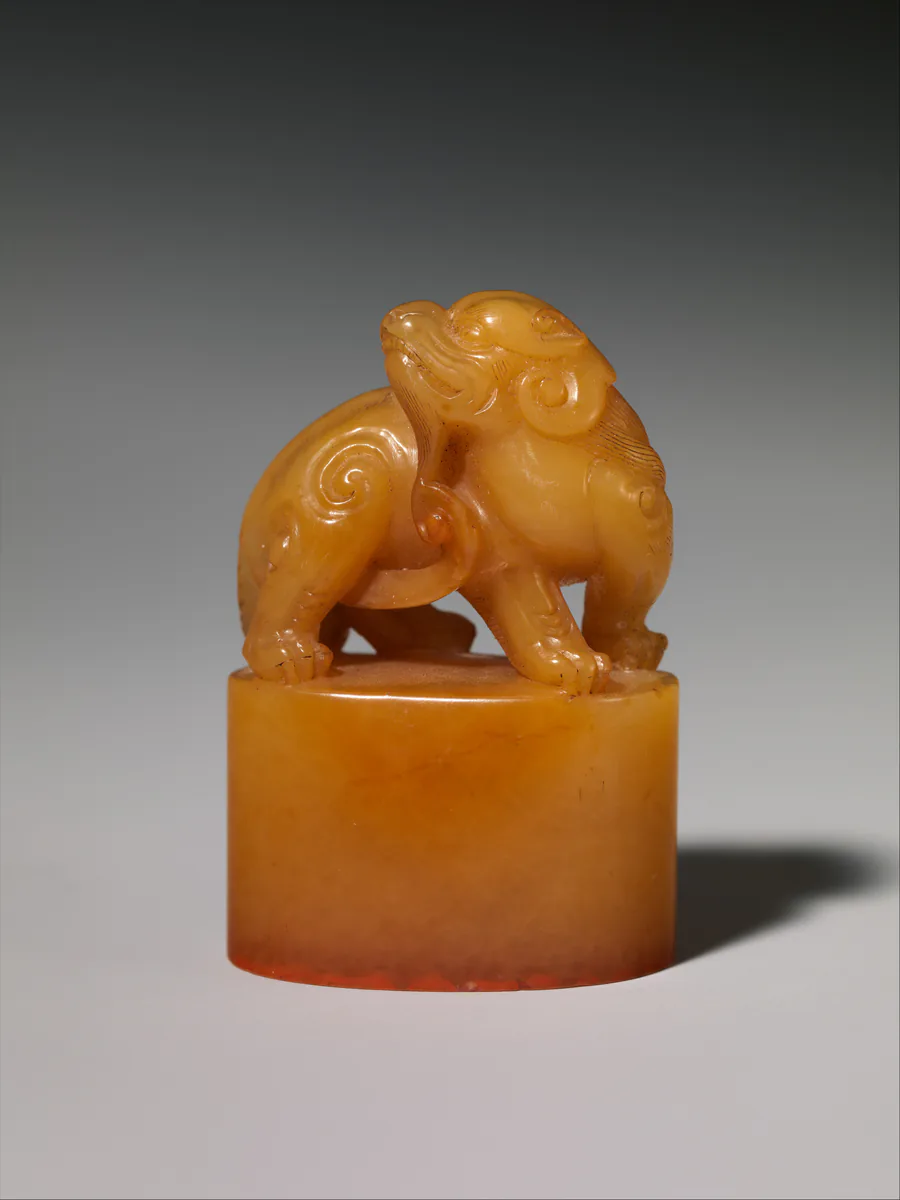
德客 is the name I was given. I have always chosen to hear it as a virtuous guest — a virtuous 俠客 — one who keeps faith with the old road and leaves it better kept than he found it.

The practice, still kept at last light.
Photograph © Jacob Wallner
Why this exists
So I began to write them down for them, one answer at a time, each traced back to where it actually came from, and set where a student could reach it without me in the room. What started as a few pages for a handful of students has not stopped growing since.
I began at eight, and have practised in seasons of more and less ever since, with journeys to Taiwan to sit with the teachers who would have me. I grew up held by two worlds at once, the Western and the Chinese, and never accepted that I had to choose between them. My training taught me to work empirically: to research, and to weigh a claim against its source before I trust it. That is the hand I bring to this.
The honest, gathered account I went looking for as a young man and never found, I am building now, so that no student after me, nor their students, nor theirs, has to walk the same long way around.
I want to find the serious, traditional wushu of the legends again. I believe the old stories have their root in something real — and it would be a grief if we could no longer reach it.
The hand behind it
To each article and each instrument here I have a private tie. Each is something I wanted badly as a student and could never find ready-made, so I built it myself, in the hope that one other person is spared the same searching. If only one is, it was worth the making.
I used to wonder how each style grew, and from what — and which ones even exist.
I wanted a single glossary of wushu terms to learn from. I never found one.
I wanted the proverbs and idioms gathered in one place, to study from.
It all began with one article, Tradition vs Modern, and grew, article by article, into the shelf you can read today. I want to leave my students something that stands after me, and to give it to the world. .
I keep this archive with care, in the open, and for whoever comes after. Take what is here, and grow.
Write to me at oyang.deke@gmail.com. The work is one pair of hands for now, and open to more.
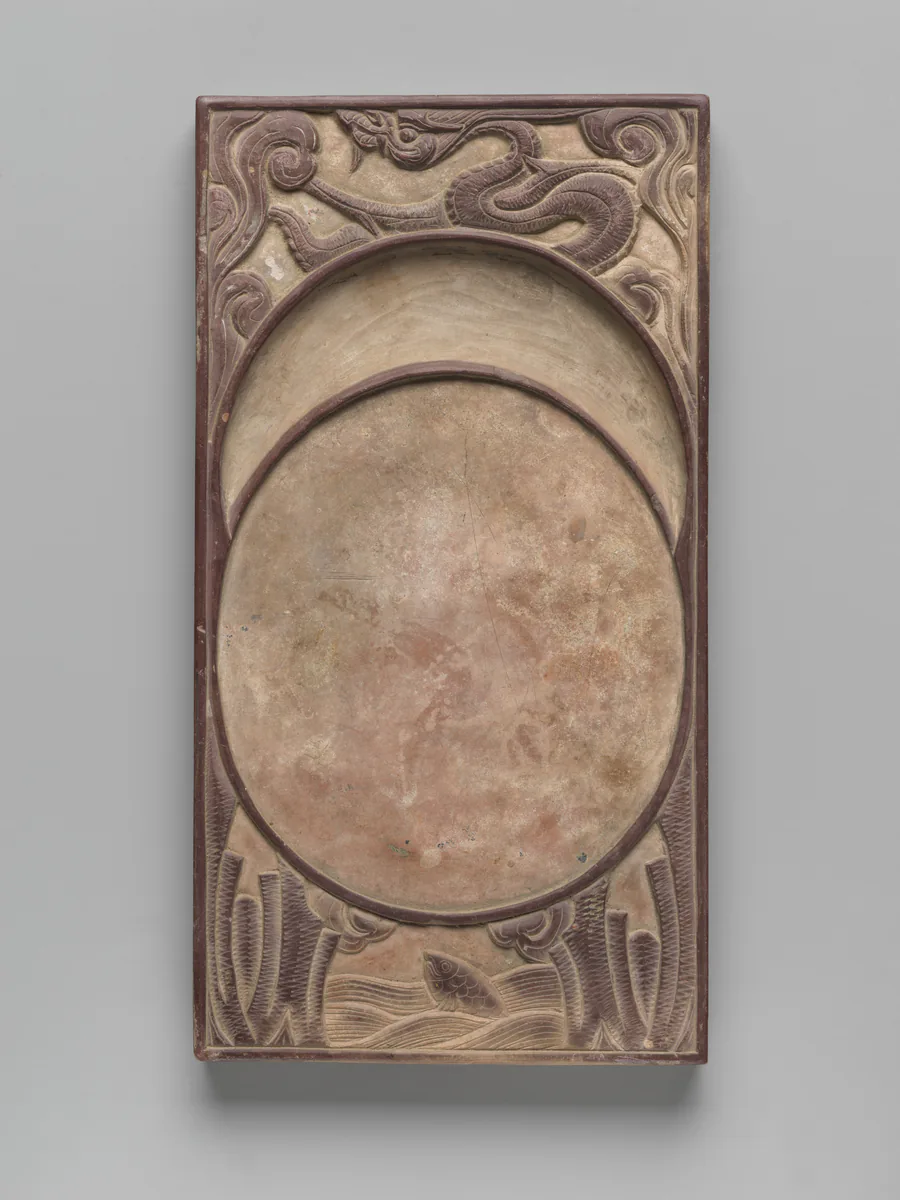
歐陽文庫
Every work in the archive, laid out with the room to say what it actually is. Take a volume off a shelf and its record opens beside it; put it back when you are done.
Truly civil, truly martial.
Earliest source: Shijing, ode Pan shuiThe three volumes and their capstone, and beside them the studies that take one strand further than a volume has room for.
Not essays. Live references, built to be searched and to stay open beside a text. Beyond the gap, two tools the author built for his own practice and study, each its own site.
Announced when the sources are in hand, and not before.
Four interlocking strands: kung fu, mobility, archery and wrestling. How the martial hand was actually formed, from the military examinations to the Qing transmitted systems, and what of that formation is available now.
Ritual, music, writing and number: the civil formation of the person, traced from the Six Arts through the examination system, and set out as three practice plans that fit a modern week.
Xiulian and qigong: the patient refinement of breath, body and attention that roots the other two volumes, separated carefully from the claims made about it in the last hundred years.
What traditional wushu actually was, how it was rebuilt into a competition sport, and a spectrum plus a numbered checklist that let anyone place a form using observable features.
Ritual archery, the twelve-century examination, the recorded technique of the manuals, and Gao Ying's order of the shot, which ends by telling the archer to look for the fault in himself.
From indigenous jiaodi through the steppe infusion and the Manchu palace wrestlers to the art standardised as shuaijiao in 1928, with each renaming weighed rather than repeated.
How the civil, the martial and inner cultivation lock into a single architecture, and what is lost, concretely, when a training programme keeps one of the three and drops the others.
How cosmology, ethics and craft are written into the cut, the cloth and the seam of ordinary Chinese garments, and why the everyday layer outlasted every court style above it.
A pedagogical stage model of the martial path (foundations, deepening, application) with twelve animated figures, each claim tied back to the science of how skill is learned and made durable.
Shenfa is a level, not a style: the threshold at which the fundamentals hold, the timing lands and the power arrives without costing attention. Set against Changquan's Eight Methods and Twelve Forms, against what the movement sciences say about coordination, economy and attention, and then pressed into an argument about what the art is for.
The four structures wushu breaks most often: the knee, the ankle, the Achilles tendon and the adductor tendons of the inner thigh. For each: the mechanism, the specific diagnoses and how to tell them apart, the point at which a doctor stops being optional, and a loading programme that returns the tissue past where it started. Ends with a self-assessment you can walk through tonight.
Poems by Eike Andreas Opfermann and by friends, each printed as its author wrote it, in the language it was written in. An open drawer rather than an argument: it grows whenever a new poem is finished.
Transmitted styles placed by region, method and approximate era of emergence. Filter the field, drag and zoom the map, follow a documented lineage, and open a full record on any node.
Chengyu, proverbs, maxims and folk sayings, each traced to its earliest attestation, graded by how secure that attestation is, and told with the story that made it stick.
The ethics that hold the art: what wude asked of a practitioner (restraint under provocation, respect for teacher and opponent, the duty that comes with the power to harm), traced from the manuals and weighed for what it can still ask of anyone who trains today.
The working vocabulary of the external systems (waijia): stances, footwork, hand and leg methods, defences, body-method, power and conditioning. Each term is anchored on its traditional characters and pinyin. Search to find one in a keystroke, or learn them with flashcards and a quick quiz.
Why virtue and tradition are the ground people will have to stand on in a future of artificial intelligence. As machines take over what can be measured and optimised, what is left to a person is exactly what a tradition cultivates: character, judgment, the long work of becoming. This essay argues that this is not a consolation prize but the whole point.
What strength a wushu body actually needs, and how to build it without paying for it in speed, range or the quality of the form. Maximal strength, power and tendon stiffness, set against the traditional conditioning methods and against what sports science can and cannot show for each.
An argument that a living art needs a place where it is tested in public. What a contest gives a practitioner and a school that training alone cannot (a date, a standard, an honest mirror), what it has cost wushu where the scoring took over, and why the answer is a better contest rather than none.
A proposal that follows from the essay before it: what a competition would have to measure if it were to reward what the tradition values, how shenfa, application and understanding could be judged beside difficulty, and what would have to change in today's formats to get there.
For the week in which training, study and work compete for the same hours: an ideal week laid out on a weiqi board, practice that adds up into ranks and seals, and a review that says honestly where the time went. Offline, no account, your data stays on your device.
Open GongfuFor travellers from Germany, Austria and Switzerland preparing for Taiwan: a quick reference for the road and a course with two programmes, one for a two-week trip and one for a stay of months. Prices and rules carry the date they were last checked.
Open the guide
fǎ, noun
立身 Fourteen families of method, each placed where it works on the body. Tap one to open it below.
No term matches. Try another word, or clear the search.
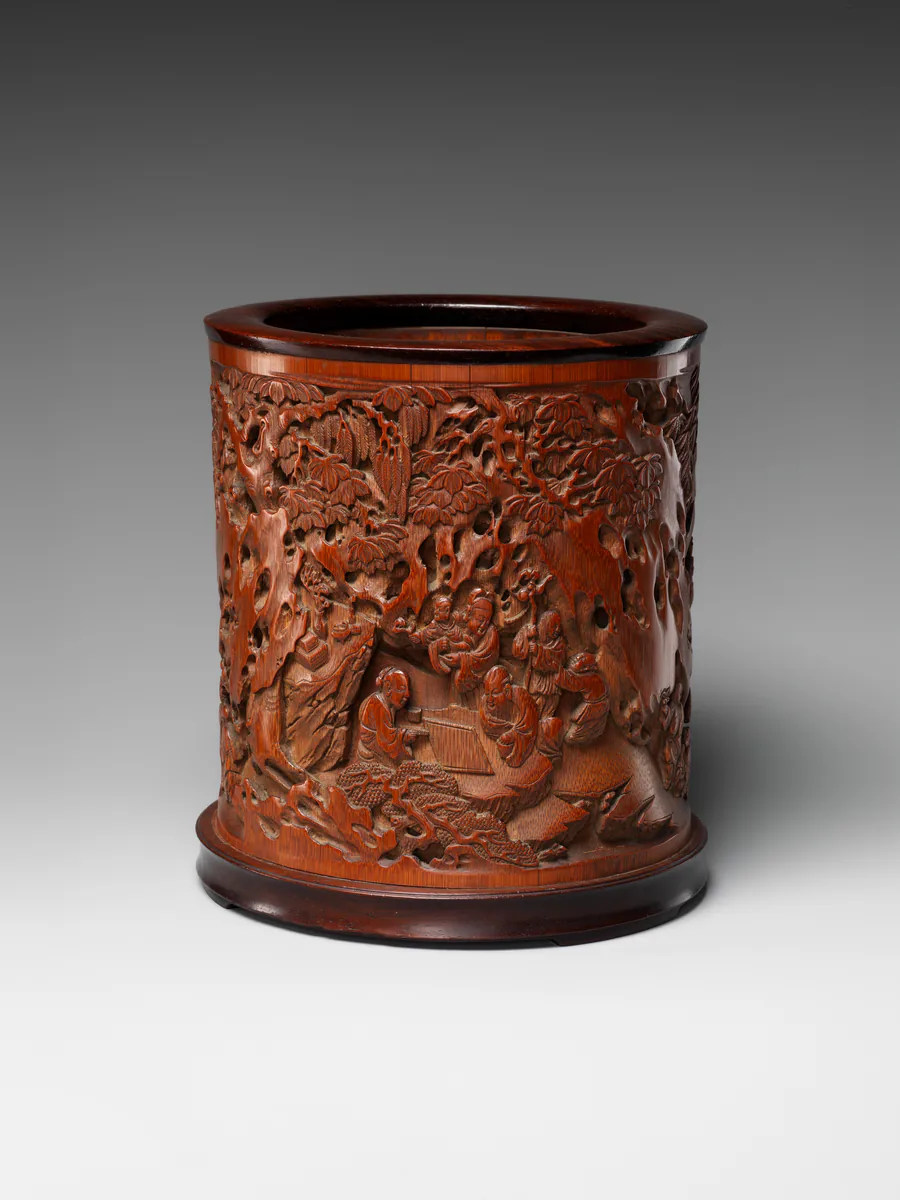
101 styles across six eras and three regions, in 24 lineage families, with an overview each of the northern and the southern schools.
Follow the threads that pass from master to student. Choose any style for its full record: origin, lineage, sources, and how firm the ground beneath each claim is.
Source: project table “Traditional_Kungfu_Styles_Overview” (101 styles and 2 regional overviews, as of June 2026) · Eike Opfermann · 歐陽德客
Fifteen volumes, 856 idioms and proverbs of the wen wu tradition, each with its characters, its literal sense, its living usage, and the source criticism that separates the real history from the invented one.
Chinese proverbial wisdom is not one thing. It runs from the literary four-character idiom to the folk saying of the marketplace, and its origins are the field's great weakness, crowded with invented Confucius quotations. This anthology names the earliest real attestation for every entry, and says plainly where none exists. Tap a genre or a status to filter the collection.
臥薪嘗膽 “sleeping on brushwood, tasting gall” is taught as Han-dynasty history about King Goujian. In fact the Shiji reports only the gall; the brushwood surfaces first under the Song, a thousand years later. A saying can be old while the story that explains it is young, which is why every entry here carries a status, not a legend.
Read the characters, then choose the meaning that fits. The theme is the only thing you set.
This anthology is the memory of the whole series. Each entry cross-references the volume it illuminates.
Read offline · 離線
Everything here can be stored on your own device: every essay, the lexicon, the proverb collection, the style map. Once it is stored you can read all of it on a plane, on a mountain, in a basement dojo with no signal. Nothing is sent anywhere, nothing needs an account, and it stays free.
About 13 MB · one time
Done in this order, your browser treats the stored files as something you meant to keep and stops clearing them away to reclaim space. The other way round nothing breaks, but the archive is more likely to be gone again in a few weeks, and you would have to fetch it a second time.
Step one
It gives the archive its own icon and its own window: no address bar, no browser tabs. It opens like an app, because at that point it behaves like one. Open the one that matches your device.
Do this before you download. Safari clears the stored files of an ordinary website after seven days without a visit. A web app on the home screen is exempt: it counts its own days of use, and opening it resets them. Nothing is lost if you download first (Safari and the home screen share the same storage), but only the icon protects what you downloaded.
Do this before you download. Chrome decides on its own whether stored files may stay, and one of the things it weighs is whether you installed the site. Installed first, the download is kept; downloaded first, it is fair game the next time the phone needs room.
Once the icon is there, hold it down for a moment: a small menu offers direct jumps to the three volumes and the proverbs.
Do this before you download here too: an installed site is what tells Chrome and Edge to keep the files rather than reclaim the space later.
In Safari on a Mac the same thing is under File › Add to Dock. Firefox does not offer it; the archive still works offline there, just inside a normal tab. Firefox will ask you outright whether the site may store data. Say yes, and the order does not matter.
Step two
Best done from the icon you just made, on Wi-Fi. It takes a minute or two. You only need to do it once. When the archive grows, the site tells you, and pressing the button again fetches only what is new. If a newer version of the app arrived with it, the page reloads itself at the end so the new material is there straight away.
After the download: the essays in full, the lexicon with its search, the 101 styles, the proverb collection. Every reading tool on this site runs on your device, not on a server.
The PDFs are not included, on purpose. They are the same essays a second time, in a heavier form, and carrying them would almost double the download. If you want one on your device, open it once while you are online, and it stays.
Two other things need a connection, and always will: the source links in the footnotes, which point to Wikipedia and other libraries, and new material added after your download.
You will not have to go looking for it. Whenever the archive is open and online it checks quietly whether a newer version exists, and a small strip appears at the top of the page when there is one, or when essays have been added since your download. Nothing is fetched until you press a button.
If something looks out of date
This asks the server for the newest version of the app, installs it straight away instead of waiting, and then fetches every stored file again from scratch: essays, data and images, whether or not a copy is already on your device. Use it if an essay looks older than what you see on the website, or if a download once stopped halfway. It costs most of the download again, so do it on Wi-Fi. The typefaces are the exception: their filenames never change, so what is already stored is kept. The page reloads itself when it is done.
Storing the archive costs you nothing and tells us nothing. There is no account, no tracking and no server that learns what you read. The files sit in your browser's own storage; clearing your browsing data removes them, and pressing the button again brings them back.